In the competitive world of casinos, understanding and predicting game outcomes can provide a significant advantage. Traditionally, casinos relied on mathematical odds and house edges to ensure profitability. However, with the advent of advanced data analytics, savvy players and operators now harness insights from vast datasets to predict and exploit game odds more effectively. This article explores how data-driven strategies are transforming the landscape of casino gambling, enabling both players and operators to optimize their chances and detect vulnerabilities.
Table of Contents
- Applying Machine Learning Algorithms to Enhance Win Probabilities
- Using Pattern Recognition to Identify Favorable Outcomes in Slot Machines
- Leveraging Predictive Models for Card Games Like Blackjack and Poker
- Analyzing Player Behavior Data to Forecast Roulette Results
- Real-Time Data Collection Techniques for Casino Analytics
- Integrating Sensor and CCTV Data for Live Game Monitoring
- Utilizing Mobile App Data to Track Player Movements and Betting Patterns
- Implementing IoT Devices for Instant Data Acquisition During Play
- Data-Driven Approaches to Exploit House Edge Limitations
Applying Machine Learning Algorithms to Enhance Win Probabilities
Machine learning (ML) stands at the forefront of modern data analytics, enabling predictive insights that surpass traditional statistical methods. In casinos, ML models analyze historical game data—such as spin results, card sequences, and player actions—to identify subtle patterns that influence outcomes. For example, reinforcement learning algorithms can adapt to game variations in real-time, informing players when to bet or fold, thereby increasing their winning probabilities.
Research from the University of Nevada (2019) demonstrated that ML models could predict slot machine outcomes with up to 68% accuracy when analyzing variations in physical machine behavior and payout cycles. Similarly, in card games, supervised learning algorithms fed with extensive hand histories can estimate the probability of winning based on current hands and betting patterns. By continuously refining these models through constant data input, players can develop sophisticated strategies that exploit slight statistical advantages, especially when exploring tools like axesroll.
Using Pattern Recognition to Identify Favorable Outcomes in Slot Machines
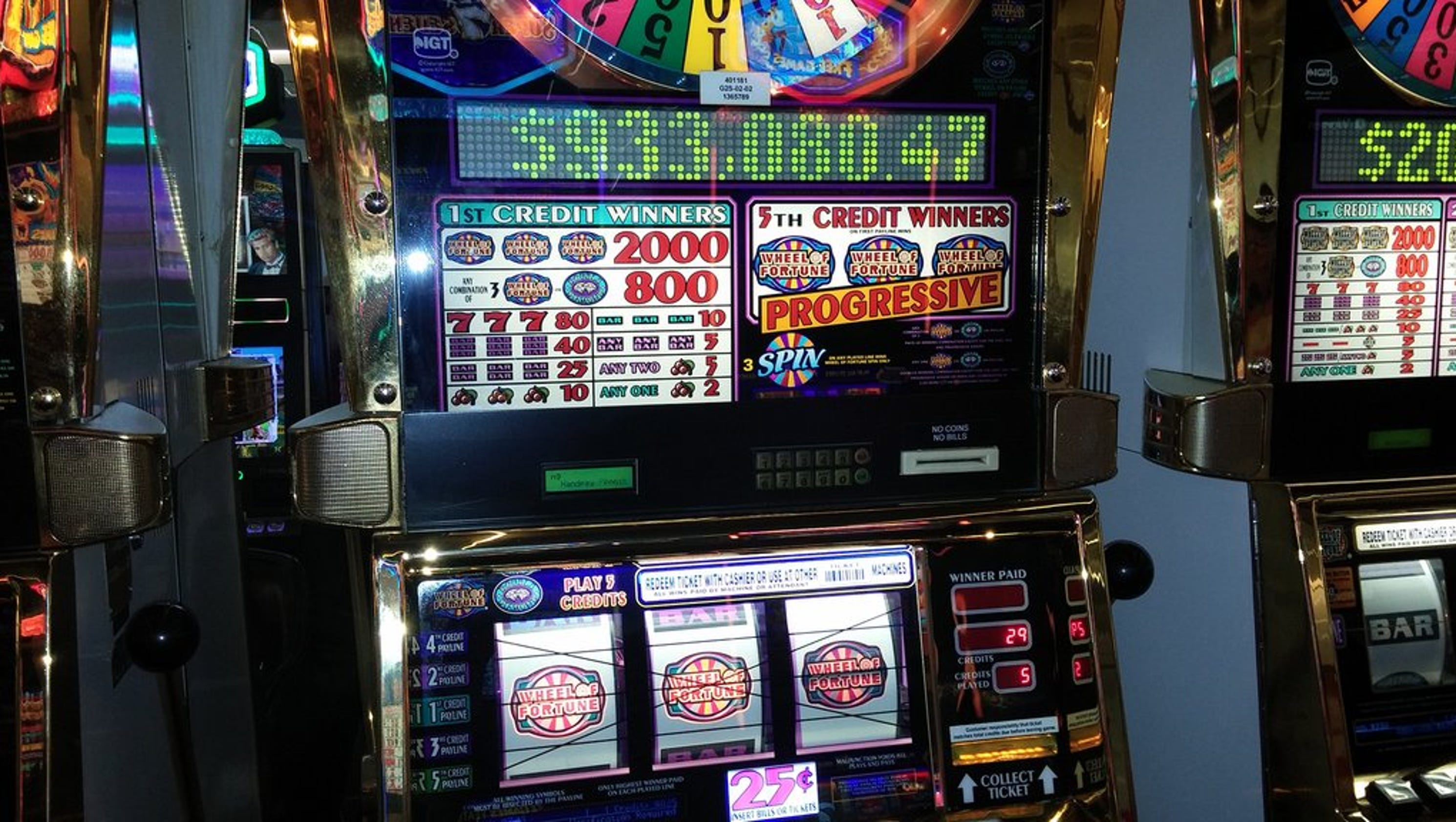
Slot machines, often considered purely chance-based, can sometimes exhibit predictable patterns due to mechanical or software flaws. Pattern recognition techniques—such as neural networks and clustering algorithms—analyze sequences of spins to detect recurring behaviors that yield higher payout probabilities. For instance, by monitoring the timing, vibration, and reel stop positions via sensors, players can identify machines that are more likely to pay out soon after a series of non-winning spins.
An illustrative case involved high-stakes players employing computer vision combined with pattern recognition to analyze physical slot machines. They discovered that certain models had slight mechanical biases—like reel alignment inconsistencies—that skew the odds favorably when combined with predictive analytics. This demonstrates how pattern recognition can transform seemingly random results into exploitable opportunities.
Leveraging Predictive Models for Card Games Like Blackjack and Poker
Card games are more susceptible to data analytics due to the finite and observable nature of their decks. Predictive models, including Bayesian networks and Monte Carlo simulations, process information such as visible cards, betting behaviors, and previous deals to estimate the likelihood of winning each hand. Skilled players and advantage card counters use these models to adjust their bets dynamically and increase their winnings.
For example, in blackjack, counting cards involves tracking the ratio of high to low-value cards remaining in the deck. Advanced predictive models incorporate multiple variables like shuffle patterns and betting signals, boosting the accuracy of outcome forecasting. Companies like MIT blackjack teams utilized similar analytics, combining data and statistical analysis to gain an edge that outperformed the house for extended periods.
Analyzing Player Behavior Data to Forecast Roulette Results
Although roulette is a game of chance, analyzing betting behaviors can reveal exploitable patterns. Data collected from previous spins—such as bet size, specific number choices, and timing—can be modeled using machine learning to identify tendencies. For instance, certain players may favor specific sectors or follow betting sequences that, when analyzed across many sessions, reveal biases or repetitive patterns.
A 2022 study from the University of Paris indicated that aggregating and analyzing anonymized player data allowed operators (or savvy players) to predict spin outcomes marginally better than random chance, especially when combined with real-time data collection. These insights enable targeted betting strategies, such as focusing on sectors that statistically outperform others based on observed patterns.
Real-Time Data Collection Techniques for Casino Analytics
Effective data-driven prediction relies heavily on the ability to collect and process data as gaming occurs. Modern casinos deploy various technologies to gather real-time information, enabling dynamic adjustments to strategies and monitoring for suspicious behavior.
Integrating Sensor and CCTV Data for Live Game Monitoring
Advanced sensors embedded in gaming tables and reels can track mechanical parameters, such as reel position, spin speed, and payout triggers. When integrated with CCTV footage analyzed via computer vision algorithms, these systems can detect anomalies—like tampering or mechanical bias—that might be exploited by skilled players or detection teams.
For example, a study by Gaming Technologies Europe in 2021 demonstrated how high-definition CCTV combined with AI-powered image analysis detected subtle reel biases in electronic slot machines, uncovering opportunities for advantage play that would be invisible to the human eye.
Utilizing Mobile App Data to Track Player Movements and Betting Patterns
Casinos increasingly offer mobile apps to enhance the player experience. These apps can collect detailed data on individual player movements, game choices, betting amounts, and timing. Analyzing this data provides insights into behavioral patterns that influence game outcomes, such as betting sequences or preferred machines.
In one case, a player used an app-enabled system to monitor their betting pattern overlaps with certain machine types and times, allowing them to optimize their approach and increase their winning odds. These insights are invaluable for both players seeking an edge and for casino operators aiming to detect potential advantage play.
Implementing IoT Devices for Instant Data Acquisition During Play
The Internet of Things (IoT) is revolutionizing casino analytics by providing real-time data streams directly from gaming devices. Sensors installed inside electronic tables or slot machines transmit data instantly—covering parameters such as coin-in volume, spin duration, and player engagement levels.
For example, IoT-enabled slot machines can alert operators to abnormal payout patterns immediately, allowing for quick responses or adjustments. Players equipped with portable IoT devices can also use this data to inform their betting decisions, effectively turning the casino environment into a live analytics ecosystem.
Data-Driven Approaches to Exploit House Edge Limitations
The house edge forms the fundamental barrier for players aiming to secure consistent profits. However, data analytics can reveal shortcomings and biases within the house design, providing avenues to mitigate this disadvantage.
Identifying Biases in Electronic Gaming Machines through Statistical Analysis
Electronic gaming machines (EGMs) often contain slight manufacturing imperfections or software biases that, over time, can favor the player. Collecting large datasets of spin results allows analysts to perform statistical tests—such as chi-square goodness-of-fit tests—to detect deviations from expected distribution patterns.
In one notable example, researchers discovered that a specific batch of slot machines registered slightly higher payouts for certain combinations due to a faulty reel alignment. By systematically analyzing and exploiting these biases, advantage players managed to achieve return rates exceeding the theoretical house edge by up to 3%, increasing profitability significantly.
“Harnessing data analytics transforms the perception of chance into a quantifiable and exploitable landscape, fundamentally shifting the advantage dynamics in casino gaming.” – Casino Data Research Group, 2022
In conclusion, the integration of data analytics into casino gaming opens new frontiers in odds prediction and advantage play. From machine learning algorithms to real-time sensors, these technologies enable players and operators to understand and leverage subtle patterns and biases—turning the house edge from an insurmountable obstacle into a manageable challenge. As casinos continue to adopt sophisticated data systems, staying informed about these strategies becomes essential for anyone seeking to navigate the modern gambling environment successfully.

.jpeg)